
Introduction
If you’ve been exploring ways to improve outdoor comfort, chances are you’ve come across the term markiseteppe. This versatile solution is becoming increasingly popular for homeowners who want to enjoy their patios, balconies, or gardens without worrying about harsh sunlight or unpredictable weather.
Simply put, a markiseteppe is a type of awning fabric or shade covering designed to provide protection and enhance outdoor living spaces. But there’s more to it than just shade—it’s about style, durability, and smart design.
In this guide, you’ll discover everything you need to know, from choosing the right type to avoiding common mistakes and maximizing its lifespan.
What Is a Markiseteppe?
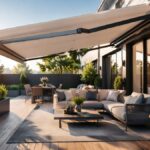
A markiseteppe refers to a specially designed fabric used in awnings to create shaded outdoor areas. It is typically made from durable, weather-resistant materials and is mounted over windows, patios, or terraces.
Key Features
- UV protection to reduce sun exposure
- Water resistance for light rain conditions
- Fade-resistant colors for long-term aesthetics
- Flexible installation options
Why It Matters
A well-chosen awning fabric does more than block sunlight—it can:
- Lower indoor temperatures
- Reduce energy costs
- Enhance outdoor usability
- Improve property aesthetics
Types of Markiseteppe for Different Needs
Not all awnings are created equal. Choosing the right type depends on your space, climate, and usage.
Common Types
| Type of Markiseteppe | Best For | Key Benefits | Limitations |
|---|---|---|---|
| Retractable Awning Fabric | Patios & decks | Flexible shade control | Requires mechanism maintenance |
| Fixed Awning Fabric | Windows & storefronts | Durable and stable | No adjustability |
| Waterproof Fabric | Rain-prone areas | Strong weather resistance | Less breathable |
| Mesh Fabric | Hot climates | Air circulation & cooling | Limited rain protection |
How to Choose the Right Type
Consider the following:
- Climate: Hot regions benefit from breathable fabrics
- Usage: Frequent use requires durable materials
- Space: Smaller areas may need compact solutions
Benefits of Installing a Markiseteppe
Adding this outdoor feature offers both practical and aesthetic advantages.
Comfort and Protection
- Blocks harmful UV rays
- Creates a cooler outdoor environment
- Protects furniture from fading
Energy Efficiency
By reducing direct sunlight indoors, it helps:
- Lower cooling costs
- Improve indoor temperature control
Visual Appeal
A stylish awning can:
- Add character to your home
- Increase property value
- Create a welcoming outdoor atmosphere
Calesshop: A Complete Guide to Building a Profitable Online Store
Material Comparison: Which Fabric Works Best?
Choosing the right material is crucial for performance and longevity.
| Material Type | Durability | Weather Resistance | Maintenance Level | Best Use Case |
|---|---|---|---|---|
| Acrylic Fabric | High | Excellent UV resistance | Low | Sunny climates |
| Polyester | Medium | Moderate | Medium | Budget-friendly options |
| PVC-coated Fabric | Very High | Waterproof | Low | Rain-heavy areas |
| Canvas | Medium | Natural look | High | Decorative purposes |
Quick Tip
If you want long-term durability with minimal upkeep, acrylic fabrics are often the best choice.
Installation Options Explained
Proper installation ensures your awning performs effectively and lasts longer.
DIY vs Professional Installation
| Installation Method | Cost | Difficulty | Reliability |
|---|---|---|---|
| DIY Installation | Low | Moderate to High | Depends on skill |
| Professional Setup | Higher | Low | Highly reliable |
Key Considerations
- Wall strength and mounting surface
- Wind exposure in your area
- Angle for optimal shade coverage
Pros and Cons of Using a Markiseteppe
Pros
- Enhances outdoor comfort
- Reduces energy consumption
- Improves home aesthetics
- Offers flexible design options
Cons
- Initial installation cost
- Requires occasional maintenance
- May need replacement after years of use
Common Mistakes to Avoid
Even a great product can underperform if used incorrectly.
1. Choosing the Wrong Fabric
Many people prioritize appearance over durability. Always match the fabric to your climate.
2. Ignoring Installation Angles
Incorrect angles can reduce shade effectiveness and cause water pooling.
3. Skipping Maintenance
Neglecting cleaning and inspection can shorten lifespan significantly.
4. Overlooking Wind Conditions
Strong winds can damage poorly secured awnings.
Best Practices for Long-Term Use
To get the most out of your awning fabric, follow these proven strategies.
Regular Maintenance
- Clean with mild soap and water
- Remove debris frequently
- Inspect for tears or wear
Smart Usage
- Retract during strong winds
- Avoid prolonged exposure to heavy rain
- Use protective coatings if available
Seasonal Care
- Store properly during off-seasons
- Check mounting hardware regularly
Practical Examples of Use
Residential Homes
Perfect for:
- Backyard patios
- Balcony shading
- Garden seating areas
Commercial Spaces
Ideal for:
- Cafés and restaurants
- Outdoor seating areas
- Shopfront shading
Small Spaces
Compact designs work well for:
- Apartment balconies
- Window shading
- Rooftop corners
Conclusion
A markiseteppe is more than just a shade solution—it’s a smart investment in comfort, style, and efficiency. Whether you’re upgrading your patio or enhancing a commercial space, choosing the right fabric and installation method makes all the difference.
By understanding the types, materials, and best practices, you can create a functional and visually appealing outdoor space that lasts for years.
FAQs
1. What is a markiseteppe used for?
It is primarily used as an awning fabric to provide shade and weather protection for outdoor spaces.
2. How long does a markiseteppe last?
With proper care, it can last anywhere from 5 to 15 years depending on material quality.
3. Is it waterproof?
Some types are waterproof, especially PVC-coated fabrics, while others are water-resistant.
4. Can I install it myself?
Yes, but professional installation is recommended for better durability and safety.
5. How do I clean it?
Use mild soap, water, and a soft brush. Avoid harsh chemicals to prevent damage.