
Introduction
In today’s energy-conscious world, efficiency is no longer optional—it’s essential. This is where wattios comes into play. Whether you’re a homeowner trying to cut electricity bills or a business aiming for sustainability, wattios represents a smarter way to monitor, manage, and optimize energy consumption.
But what exactly is wattios? How does it work? And why are so many people adopting it? Let’s break it down in a simple, practical way so you can understand its real value and how to use it effectively.
What Is Wattios?
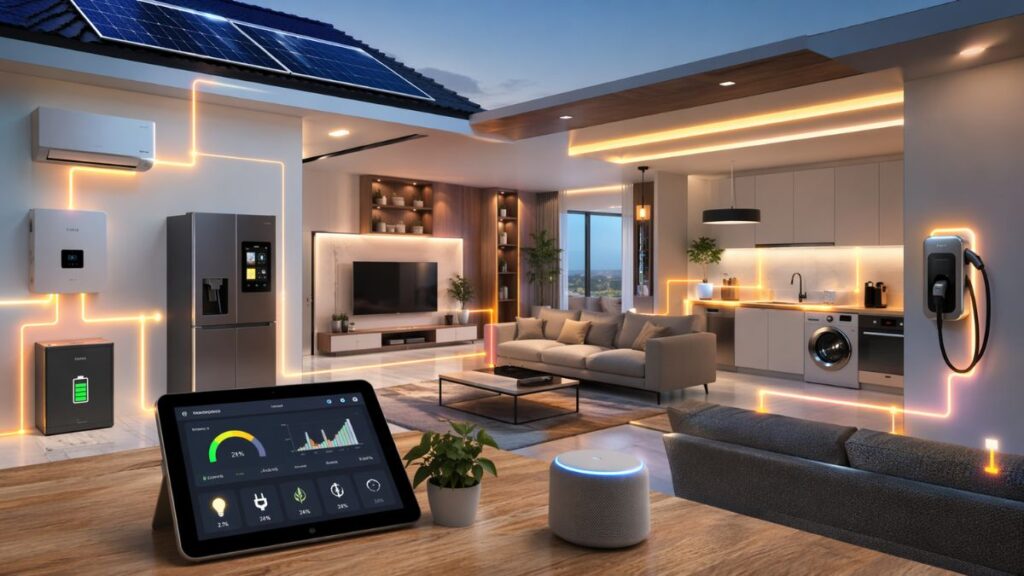
Wattios refers to an advanced smart energy management system that helps track, control, and optimize electricity usage in real time. It combines hardware devices, sensors, and software dashboards to give users full visibility over their energy consumption.
Key Features of Wattios
- Real-time energy monitoring
- Smart device integration
- Automation of energy usage
- Data analytics and insights
- Remote control via mobile or web
In simple terms, wattios acts like a “brain” for your energy system, helping you use electricity more efficiently without compromising comfort.
How Wattios Works
To understand its value, you need to know how wattios operates behind the scenes.
Core Components
| Component | Function | Benefit |
|---|---|---|
| Smart Sensors | Track electricity usage in real time | Accurate monitoring |
| Control Hub | Connects all devices | Centralized control |
| Software Dashboard | Displays data & insights | Easy decision-making |
| Automation System | Adjusts energy usage automatically | Saves time & energy |
Step-by-Step Process
- Sensors collect data from appliances
- Data is sent to the central hub
- Software analyzes usage patterns
- System suggests or applies optimizations
As a result, you gain complete control over where and how energy is used.
Beveu X6: The Complete Guide to Features, Benefits, and Smart Usage
Why Wattios Matters in 2026
Energy costs are rising globally, and sustainability is becoming a priority. Wattios helps solve both problems at once.
Major Benefits
- Reduces electricity bills
- Improves energy efficiency
- Supports eco-friendly living
- Prevents energy waste
- Enhances smart home automation
Real-Life Example
Imagine your air conditioner running when no one is home. A wattios system detects this and automatically turns it off, saving energy without you lifting a finger.
Key Use Cases of Wattios
Wattios isn’t limited to one type of user. It works across multiple environments.
1. Smart Homes
- Control lighting, heating, and appliances
- Monitor energy usage daily
- Automate routines
2. Small Businesses
- Reduce operational costs
- Monitor peak energy hours
- Optimize equipment usage
3. Industrial Applications
- Track large-scale consumption
- Improve operational efficiency
- Prevent system overloads
Wattios vs Traditional Energy Systems
Understanding the difference helps you see why wattios is gaining popularity.
| Feature | Traditional System | Wattios System |
|---|---|---|
| Monitoring | Manual or none | Real-time tracking |
| Control | Limited | Full automation |
| Efficiency | Low | High |
| Cost Savings | Minimal | Significant |
| User Experience | Basic | Advanced & user-friendly |
Clearly, wattios offers a smarter and more efficient approach.
Pros and Cons of Wattios
Pros
- Easy to use and scalable
- Reduces energy waste
- Provides detailed insights
- Supports smart home integration
- Long-term cost savings
Cons
- Initial setup cost
- Requires internet connectivity
- Learning curve for beginners
Even with a few limitations, the long-term benefits often outweigh the drawbacks.
Common Mistakes to Avoid
Many users fail to maximize the benefits of wattios due to simple mistakes.
Avoid These Errors
- Ignoring data insights
- Not automating routines
- Installing incomplete systems
- Overlooking maintenance
- Using outdated software
By avoiding these, you can unlock the full potential of your system.
Best Practices for Using Wattios
To get the most out of wattios, follow these proven strategies.
Smart Optimization Tips
- Analyze energy reports weekly
- Automate high-consumption devices
- Set energy usage goals
- Integrate renewable sources like solar
- Regularly update your system
Optimization Framework
| Step | Action | Result |
|---|---|---|
| Monitor | Track usage daily | Identify waste |
| Analyze | Study patterns | Find inefficiencies |
| Optimize | Automate systems | Reduce costs |
| Maintain | Update regularly | Ensure performance |
This structured approach ensures consistent improvement.
Future of Wattios and Smart Energy
The future looks promising. As technology evolves, wattios systems are becoming more intelligent and accessible.
Emerging Trends
- AI-driven energy predictions
- Integration with smart grids
- Renewable energy optimization
- Voice-controlled energy systems
Soon, managing energy will be as simple as giving a voice command.
Conclusion
Wattios is more than just a tool—it’s a complete energy management solution. It empowers users to take control of their electricity usage, reduce costs, and contribute to a more sustainable future.
Whether you’re just starting your smart home journey or upgrading your current system, adopting wattios can make a significant difference. The key is to use it wisely, analyze data consistently, and automate wherever possible.
FAQs
1. What is wattios used for?
Wattios is used to monitor, control, and optimize energy consumption in homes and businesses.
2. Is wattios suitable for small homes?
Yes, it works perfectly for small homes and can scale as needed.
3. Does wattios reduce electricity bills?
Yes, by eliminating waste and optimizing usage, it significantly lowers energy costs.
4. Can wattios work with solar panels?
Absolutely. It integrates well with renewable energy systems like solar.
5. Is wattios difficult to install?
Installation is straightforward, but professional setup is recommended for best results.