Introduction
Hairdressing styling is more than just cutting or arranging hair—it’s a creative blend of technique, personality, and current trends. Whether you’re a professional stylist or someone who enjoys experimenting at home, mastering the basics of styling can completely transform your look. From sleek straight finishes to voluminous curls, the right approach makes all the difference.
In this guide, you’ll discover essential techniques, tools, trends, and expert tips to elevate your styling game. Let’s dive in.
What Is Hairdressing Styling?
Hairdressing styling refers to the techniques used to shape, arrange, and finish hair to achieve a desired look. It includes everything from blow-drying and curling to braiding and texturizing.
Key Elements of Hair Styling
- Texture control – smooth, wavy, or curly finishes
- Volume management – adding or reducing fullness
- Shape creation – defining the silhouette of a hairstyle
- Product application – enhancing hold and shine
Essential Hairdressing Styling Techniques
Understanding core techniques is the foundation of great styling.
Blow-Drying Basics
Blow-drying is often the starting point for many styles. It sets the tone for volume and smoothness.
- Use a round brush for volume
- Direct airflow downward to reduce frizz
- Finish with cool air for shine
Curling and Waving
Different tools create different curl patterns.
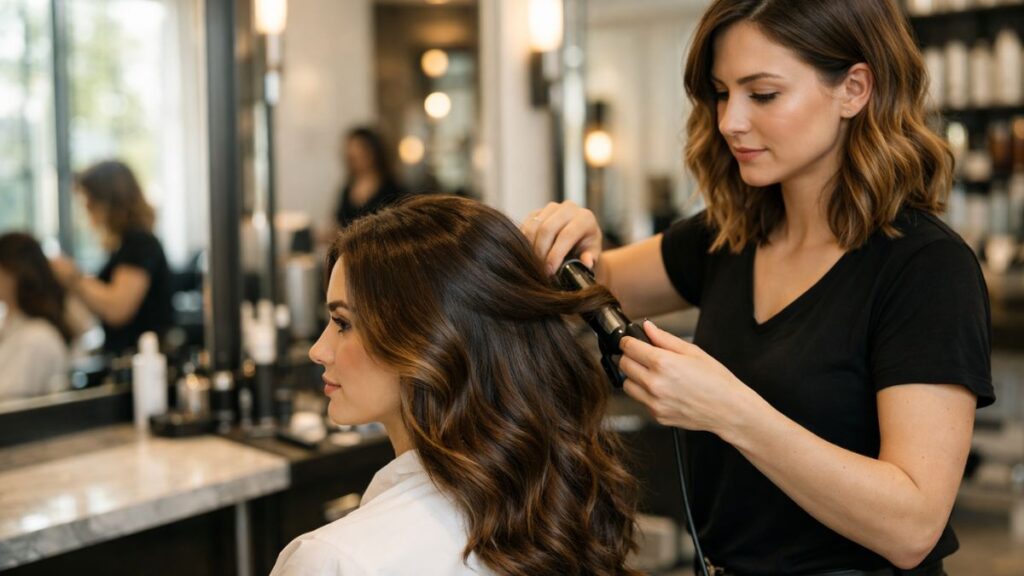
- Curling irons for defined curls
- Wands for natural waves
- Flat irons for soft bends
Straightening Techniques
Straight styles require precision and heat control.
- Use heat protectant products
- Work in small sections
- Glide slowly for even results
Common Styling Techniques and Their Effects
| Technique | Best For | Result | Skill Level |
|---|---|---|---|
| Blow-Drying | All hair types | Smooth, voluminous finish | Beginner |
| Curling Iron | Medium to long hair | Defined curls | Intermediate |
| Flat Iron | Frizzy or curly hair | Sleek straight look | Beginner |
| Braiding | Long hair | Textured, styled patterns | Intermediate |
Must-Have Tools for Hair Styling
The right tools can dramatically improve your results.
Basic Tools Every Stylist Needs
- Blow dryer with nozzle
- Round and paddle brushes
- Curling iron or wand
- Flat iron
- Sectioning clips
Advanced Styling Tools
- Diffusers for curly hair
- Hot rollers for volume
- Crimpers for texture
Styling Tools and Their Uses
| Tool | Purpose | Ideal Hair Type |
|---|---|---|
| Blow Dryer | Drying and shaping | All types |
| Curling Wand | Loose waves | Medium to long hair |
| Flat Iron | Straightening or soft curls | Frizzy or thick hair |
| Diffuser | Enhancing natural curls | Curly hair |
Trending Hairdressing Styling Looks
Staying updated with trends keeps your style fresh and relevant.
Popular Styles Right Now
- Soft beach waves
- Sleek ponytails
- Curtain bangs
- Textured bobs
- Natural curls with volume
Why Trends Matter
Trends reflect changing preferences and cultural influences. However, adapting trends to suit your face shape and hair type is key.
Vixen Definition Explained: Meaning, Usage, and Cultural Context
Choosing the Right Style for Your Hair Type
Not all styles work for everyone. Understanding your hair type helps you make better choices.
Hair Type Breakdown
| Hair Type | Recommended Styles | Avoid |
|---|---|---|
| Straight | Layers, sleek looks | Over-layering |
| Wavy | Beach waves, textured cuts | Heavy products |
| Curly | Defined curls, layered cuts | Excessive heat |
| Coily | Protective styles, braids | Frequent straightening |
Pros and Cons of Hairdressing Styling
Pros
- Enhances overall appearance
- Boosts confidence
- Allows creative expression
- Adapts to different occasions
Cons
- Can damage hair if overdone
- Requires time and effort
- Some tools are expensive
- Frequent styling may cause dryness
Common Hair Styling Mistakes to Avoid
Even experienced individuals make mistakes. Here are the most common ones:
- Using too much heat without protection
- Overloading hair with products
- Skipping sectioning during styling
- Not considering hair type
- Ignoring regular trims
Best Practices for Perfect Hairdressing Styling
To achieve salon-quality results, follow these expert tips:
Preparation Matters
- Always start with clean, slightly damp hair
- Use heat protectants before styling
Technique Over Tools
Even the best tools won’t help if the technique is wrong. Practice is essential.
Finish Strong
- Use lightweight serums for shine
- Apply hairspray for hold
- Avoid touching hair too often
Practical Styling Routine Example
Here’s a simple routine for everyday styling:
- Wash and towel-dry hair
- Apply heat protectant
- Blow-dry with a round brush
- Add curls or straighten as desired
- Finish with styling product
Conclusion
Hairdressing styling is both an art and a skill that evolves with practice and creativity. Whether you’re aiming for a polished professional look or a relaxed everyday style, understanding techniques, tools, and trends will help you achieve your desired result. Start simple, experiment often, and most importantly—choose styles that make you feel confident.
FAQs
1. What is hairdressing styling?
Hairdressing styling involves shaping and finishing hair using tools and techniques to achieve a desired look.
2. What tools are essential for hair styling?
Basic tools include a blow dryer, brushes, curling iron, and flat iron.
3. How can I protect my hair while styling?
Use heat protectant products and avoid excessive heat exposure.
4. Which hairstyle suits all face shapes?
Soft layers and natural waves generally suit most face shapes.
5. How often should I style my hair?
It depends on your hair type, but limiting heat styling to a few times a week is recommended.