Introduction
When it comes to protecting your home from moisture damage, dampfreis plays a crucial role. Whether you’re building a new house or renovating an existing one, understanding how vapor barriers work can save you from costly repairs and long-term structural issues. Moisture may seem harmless at first, but over time, it can lead to mold, weakened insulation, and even compromised building integrity.
In this guide, we’ll break down everything you need to know about dampfreis—what it is, how it works, and how to use it effectively. You’ll also learn practical tips, common mistakes to avoid, and best practices for long-lasting results.
What Is Dampfreis and Why It Matters
Dampfreis refers to a vapor barrier or moisture control layer used in construction to prevent water vapor from penetrating walls, ceilings, and floors. It acts as a protective shield, ensuring that moisture does not accumulate inside building materials.
Why Moisture Control Is Essential
Moisture problems can lead to:
- Mold and mildew growth
- Reduced insulation performance
- Structural damage over time
- Poor indoor air quality
By installing dampfreis correctly, you create a controlled environment that protects both your home and your health.
How Dampfreis Works
At its core, dampfreis regulates the movement of water vapor through building materials. It doesn’t stop air completely but controls how moisture travels.
Key Functions
- Prevents condensation inside walls
- Maintains insulation efficiency
- Protects wooden structures from rot
- Improves overall energy performance
Types of Dampfreis Materials
| Material Type | Key Features | Best Use Case |
|---|---|---|
| Polyethylene Film | Affordable, widely used | Residential walls and ceilings |
| Aluminum Foil Layer | High vapor resistance | High-humidity areas |
| Smart Membranes | Adjustable permeability | Modern energy-efficient homes |
These options vary in performance, so choosing the right one depends on your climate and building structure.
Where to Install Dampfreis
Proper placement is critical. Installing it incorrectly can trap moisture instead of preventing it.
Common Installation Areas
- Interior side of exterior walls
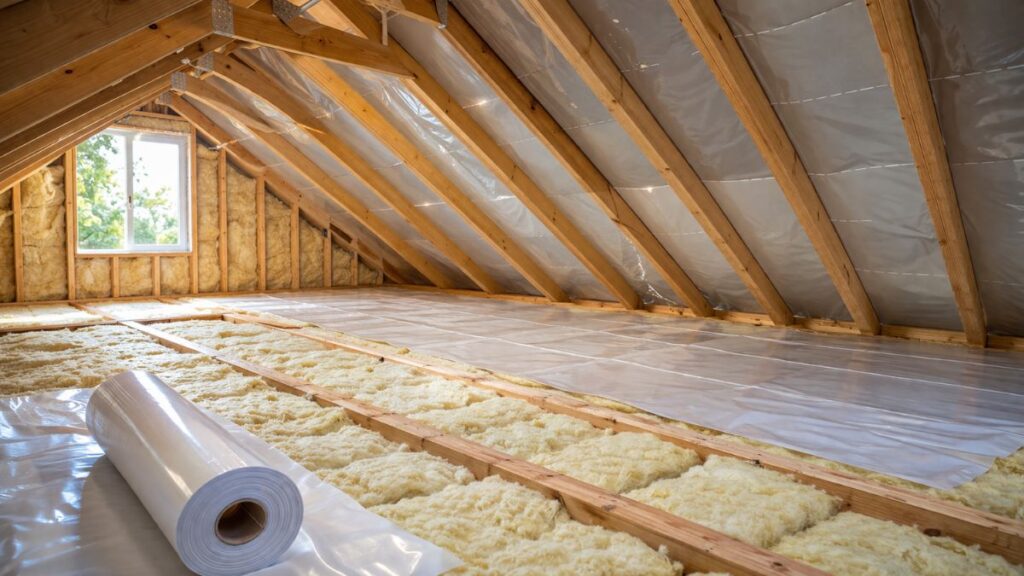
- Roof and attic spaces
- Basement walls
- Floors above crawl spaces
Climate-Based Placement
| Climate Type | Dampfreis Placement Strategy |
|---|---|
| Cold Climates | Interior side to prevent indoor vapor escape |
| Warm Climates | Exterior side to block outdoor humidity |
| Mixed Climates | Use smart membranes for flexibility |
Understanding your local climate helps you make smarter installation decisions.
Mutmax Strategy Guide: How to Maximize Growth, Performance, and Results
Step-by-Step Installation Guide
Installing dampfreis doesn’t have to be complicated, but attention to detail is essential.
Preparation
- Inspect surfaces for moisture or damage
- Ensure insulation is properly installed
- Clean and dry all areas
Installation Steps
- Measure and cut the membrane accurately
- Attach it securely using staples or adhesive
- Seal all seams with specialized tape
- Cover joints, edges, and penetrations
- Check for gaps or tears
Pro Tip
Always overlap seams by at least 10–15 cm to ensure a complete moisture barrier.
Advantages and Limitations of Dampfreis
Pros
- Prevents mold and moisture buildup
- Improves energy efficiency
- Extends the lifespan of building materials
- Enhances indoor comfort
Cons
- Incorrect installation can cause damage
- Not always suitable for every climate
- Requires careful sealing and maintenance
Common Mistakes to Avoid
Even experienced builders can make errors when working with dampfreis.
Frequent Issues
- Installing on the wrong side of insulation
- Leaving gaps or unsealed seams
- Using the wrong material for the climate
- Ignoring ventilation requirements
Why These Mistakes Matter
Poor installation can trap moisture inside walls, leading to the very problems dampfreis is meant to prevent.
Best Practices for Long-Term Performance
To get the most out of your dampfreis system, follow these proven strategies:
Smart Installation Tips
- Use high-quality sealing tape
- Ensure airtight connections around windows and doors
- Combine with proper ventilation systems
- Inspect regularly for damage
Maintenance Checklist
| Task | Frequency | Purpose |
|---|---|---|
| Visual Inspection | Every 6 months | Detect tears or gaps |
| Moisture Level Check | Annually | Ensure system effectiveness |
| Seal Reinforcement | As needed | Maintain airtight barrier |
Regular maintenance ensures your system continues to perform efficiently over time.
Practical Examples of Dampfreis in Action
Example 1: Attic Protection
A homeowner installs dampfreis in their attic to prevent warm indoor air from condensing in cold roof spaces. As a result, insulation remains dry and effective year-round.
Example 2: Basement Renovation
In a basement project, dampfreis is applied to interior walls to block ground moisture. This helps maintain a dry, usable living space.
Example 3: Energy-Efficient Homes
Modern homes use smart membranes that adapt to humidity levels, allowing controlled drying while still preventing moisture buildup.
Dampfreis vs Other Moisture Control Methods
Not all moisture solutions are the same. Here’s how dampfreis compares:
| Method | Function | Key Difference |
|---|---|---|
| Dampfreis | Controls vapor movement | Prevents condensation |
| Waterproof Membrane | Blocks liquid water | Used for external protection |
| Ventilation Systems | Removes moisture from air | Works alongside dampfreis |
Combining these methods often provides the best results.
When You Might Not Need Dampfreis
Although useful, dampfreis isn’t always necessary.
Situations Where It May Not Be Required
- Buildings in extremely dry climates
- Structures with breathable wall systems
- Homes using advanced moisture-regulating materials
However, even in these cases, professional assessment is recommended.
Conclusion
Dampfreis is an essential component in modern construction, helping protect buildings from hidden moisture damage. When installed correctly, it improves energy efficiency, extends material lifespan, and enhances indoor comfort.
However, success depends on proper placement, material selection, and attention to detail. By following best practices and avoiding common mistakes, you can ensure your dampfreis system performs effectively for years to come.
If you’re planning a renovation or new build, investing time in understanding dampfreis will pay off in durability, comfort, and long-term savings.
FAQs
1. What is dampfreis used for?
Dampfreis is used to control moisture movement in buildings, preventing condensation and structural damage.
2. Where should dampfreis be installed?
It is typically installed on the interior side of walls in cold climates and exterior side in warm climates.
3. Can dampfreis prevent mold?
Yes, when installed correctly, it helps reduce moisture buildup, which prevents mold growth.
4. Is dampfreis necessary in all homes?
Not always. It depends on climate, building design, and materials used.
5. What happens if dampfreis is installed incorrectly?
Improper installation can trap moisture, leading to mold, insulation failure, and structural damage.