
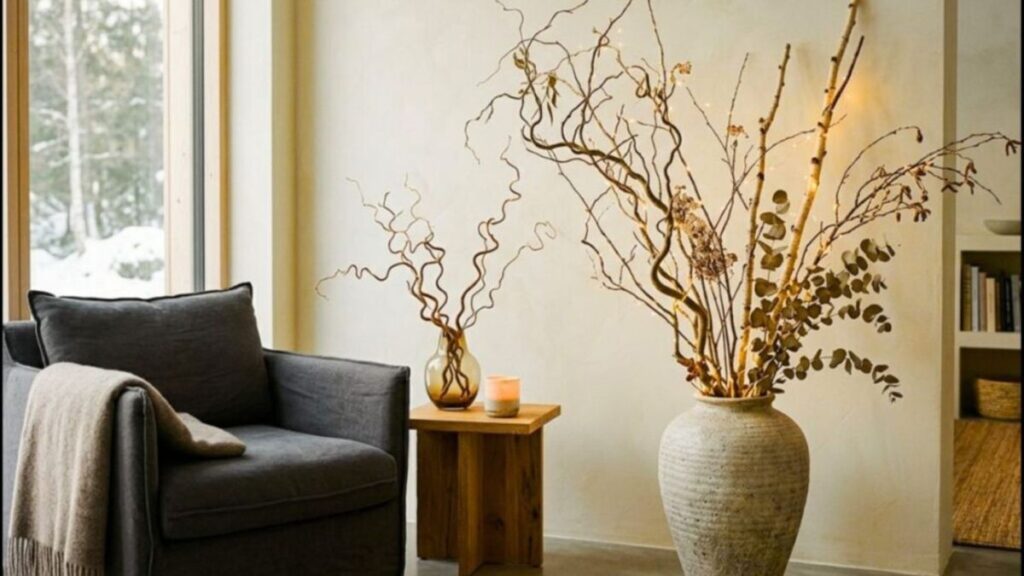
Decorating with pyntekvister has become one of the easiest ways to add natural beauty and personality to modern interiors. These decorative branches work well in Scandinavian homes, minimalist spaces, rustic interiors, and even contemporary apartments. Because they are versatile, affordable, and timeless, more homeowners are using them to create elegant focal points without overwhelming a room.
Unlike large decorative pieces, pyntekvister introduce texture and warmth while keeping the overall design clean and balanced. They can be styled in vases, hung on walls, incorporated into seasonal decor, or combined with flowers and lights for a more dramatic effect.
In this guide, you’ll learn how to use decorative branches effectively, avoid common styling mistakes, and choose the best materials for different spaces.
What Are Pyntekvister?
Pyntekvister are decorative branches used in interior styling and home decoration. They may be natural, dried, painted, artificial, or handcrafted. People commonly place them in vases, centerpieces, or wall arrangements to create a natural and artistic atmosphere.
Why Decorative Branches Are So Popular
Several interior design trends have increased the popularity of decorative branches:
- Scandinavian minimalism
- Sustainable decor choices
- Nature-inspired interiors
- Neutral color palettes
- Organic textures in modern homes
Additionally, decorative branches require very little maintenance compared to fresh flowers or plants.
Common Types of Pyntekvister
| Type of Decorative Branch | Best Use | Style Match |
|---|---|---|
| Birch branches | Minimalist interiors | Scandinavian |
| Cherry blossom branches | Seasonal displays | Modern elegance |
| Willow branches | Tall floor vases | Contemporary |
| Eucalyptus branches | Soft organic decor | Bohemian |
| Painted branches | Artistic styling | Modern homes |
How to Style Pyntekvister in Different Rooms
Decorative branches can transform almost any room when styled correctly. The key is choosing the right height, shape, and vase combination.
Living Room Styling Ideas
The living room is one of the best places to showcase decorative branches because they naturally become visual focal points.
Popular styling ideas include:
- Large floor vase beside a sofa
- Coffee table centerpiece
- Fireplace mantel arrangement
- Floating shelf decoration
Tall branches work especially well in rooms with high ceilings because they add vertical interest.
Bedroom Decor Inspiration
Bedrooms benefit from softer and more delicate arrangements. Thin eucalyptus or cherry blossom branches create a calming atmosphere without making the room feel cluttered.
For balanced styling:
- Use neutral-colored vases
- Keep arrangements asymmetrical
- Avoid oversized branches in small bedrooms
- Pair branches with linen textures and warm lighting
Kitchen and Dining Areas
Many homeowners overlook decorative branches in kitchens, yet they can elevate dining spaces instantly.
A simple vase with seasonal branches on a dining table creates an elegant centerpiece without requiring daily maintenance.
Chas6d Uncovered: A Deep Dive into Its Features and Benefits
Best Materials and Vase Pairings
Choosing the right vase is just as important as selecting the branches themselves.
Matching Vase Styles With Decorative Branches
| Vase Material | Recommended Branch Type | Interior Style |
|---|---|---|
| Ceramic vase | Birch or eucalyptus | Scandinavian |
| Clear glass vase | Cherry blossom | Modern |
| Matte black metal | Willow branches | Industrial |
| Stoneware vase | Dried branches | Rustic |
| Transparent cylinder vase | LED decorative branches | Contemporary |
Height and Proportion Tips
A common interior styling rule is that branches should be about 1.5 to 2 times the height of the vase. This creates visual balance and prevents awkward proportions.
For example:
- Short vase → medium branches
- Tall floor vase → dramatic long branches
- Narrow vase → fewer stems
- Wide vase → fuller arrangement
Seasonal Decorating With Pyntekvister
One reason decorative branches remain popular year-round is their seasonal flexibility.
Pyntekvister for Seasonal Home Styling
You can easily update your decor by changing branch styles and accessories according to the season.
Spring
Spring arrangements often include:
- Cherry blossoms
- Light green leaves
- Pastel-colored accents
- Fresh floral combinations
Summer
Summer decor usually feels lighter and more organic.
Popular options include:
- Olive branches
- Palm-inspired stems
- Dried grasses
- Bright ceramic vases
Autumn
Autumn styling focuses on warm textures and earthy tones.
Common autumn branch choices:
- Maple branches
- Orange leaves
- Twisted willow stems
- Neutral brown ceramics
Winter
Winter arrangements create cozy and elegant interiors.
Many people use:
- White-painted branches
- Pine branches
- LED-lit decorative stems
- Metallic accents
| Season | Recommended Branches | Decorative Style |
|---|---|---|
| Spring | Cherry blossom | Fresh and soft |
| Summer | Olive branches | Airy and natural |
| Autumn | Maple stems | Warm and cozy |
| Winter | Pine or white branches | Elegant and festive |
DIY Ideas for Decorative Branches
Creating custom decorative branches is surprisingly simple and affordable.
Easy DIY Decorative Branch Projects
Painted Minimalist Branches
Collect natural branches and spray-paint them in matte white, black, or gold for a modern appearance.
Hanging Wall Installation
Suspend decorative branches horizontally and add hanging ornaments, dried flowers, or fairy lights.
LED Branch Arrangements
LED branches are excellent for cozy evening lighting and seasonal displays.
Tools You May Need
- Pruning shears
- Spray paint
- Decorative vase
- Floral wire
- LED string lights
DIY projects allow you to customize your home decor while keeping costs low.
Benefits of Using Pyntekvister in Interior Design
Decorative branches offer more than visual beauty. They also support practical and sustainable decorating.
Main Advantages
- Low maintenance
- Long-lasting decor
- Budget-friendly styling
- Eco-friendly options
- Versatile across seasons
- Suitable for small and large spaces
Additionally, they work beautifully in both residential and commercial interiors.
Decorative Branches vs Fresh Flowers
| Feature | Decorative Branches | Fresh Flowers |
|---|---|---|
| Lifespan | Months or years | Days to weeks |
| Maintenance | Very low | Moderate |
| Cost over time | Affordable | Expensive |
| Seasonal flexibility | High | Limited |
| Styling impact | Architectural | Soft and colorful |
Common Mistakes to Avoid
Even beautiful decorative branches can look unbalanced when styled incorrectly.
Using the Wrong Vase Size
A vase that is too small may tip over or make tall branches look unstable.
Overcrowding the Arrangement
Too many branches create visual clutter and reduce the elegant minimalist effect.
Ignoring Room Scale
Large branches in tiny rooms can overwhelm the space, while tiny arrangements disappear in large open areas.
Mixing Too Many Styles
Try to keep branch styles consistent with your overall interior theme.
For example:
- Scandinavian decor → clean natural branches
- Rustic decor → textured dried stems
- Modern decor → sculptural minimal branches
Best Practices for Styling Decorative Branches
Following a few professional styling techniques can dramatically improve your results.
Keep Arrangements Asymmetrical
Natural-looking arrangements feel more elegant than perfectly symmetrical ones.
Use Odd Numbers of Stems
Interior stylists often prefer arrangements with 3, 5, or 7 branches because they appear more balanced visually.
Layer Different Textures
Combining smooth branches with dried grasses or soft flowers creates depth and dimension.
Refresh Seasonally
Small seasonal updates help keep your decor feeling fresh throughout the year.
Pros and Cons of Pyntekvister
Pros
- Stylish and timeless
- Easy to maintain
- Affordable long-term decor
- Suitable for all seasons
- Works in many interior styles
- Adds natural texture
Cons
- Some natural branches can become dusty
- Large arrangements require storage space
- Artificial branches may look unrealistic if low quality
- Delicate branches can break easily
How to Choose the Right Decorative Branches
When selecting decorative branches, consider the following factors:
Room Size
Large rooms can handle dramatic tall branches, while smaller rooms benefit from delicate arrangements.
Color Palette
Neutral branches fit almost any home style. However, painted branches can create stronger visual contrast.
Maintenance Preferences
Artificial branches require almost no care, while natural dried branches may need occasional dusting.
Existing Decor Style
Your decorative branches should complement your furniture, lighting, and textures rather than compete with them.
Conclusion
Pyntekvister are a simple yet powerful way to elevate interior spaces with natural texture and modern elegance. Whether you prefer Scandinavian minimalism, rustic warmth, or contemporary design, decorative branches offer endless styling possibilities.
Because they are versatile, affordable, and easy to maintain, they continue to grow in popularity among homeowners and interior designers alike. From seasonal displays to permanent statement pieces, decorative branches can transform ordinary spaces into visually balanced and inviting environments.
With the right vase, thoughtful placement, and seasonal creativity, you can easily incorporate decorative branches into nearly any room of your home.
FAQs
What does pyntekvister mean?
Pyntekvister refers to decorative branches used for home styling and interior decoration.
Are decorative branches suitable for minimalist homes?
Yes, decorative branches are ideal for minimalist interiors because they add texture without creating clutter.
How do you clean decorative branches?
Use a microfiber cloth, soft brush, or light air spray to remove dust from branches.
Which decorative branches work best for Scandinavian decor?
Birch, eucalyptus, and simple dried branches are commonly used in Scandinavian interiors.
Can decorative branches be used year-round?
Absolutely. You can switch branch styles and accessories seasonally for fresh decor updates.