In a world that often feels fast-paced and disconnected, cultural traditions have the power to ground us. One such tradition is Wasatha, a vibrant tapestry woven through the lives of countless communities. But what exactly is Wasatha? This fascinating practice is more than just an event; it embodies the heart and soul of cultural identity. As we dive into its rich history and significance, you’ll discover how Wasatha serves as a beacon of community spirit and continuity in our rapidly changing society. Let’s embark on this journey to uncover the layers of meaning behind Wasatha—where every thread tells a story worth sharing.
What is Wasatha and its significance in cultural tradition?
Wasatha is a cherished cultural tradition that embodies the essence of community and heritage. It serves as a vibrant expression of collective identity, bringing people together to celebrate their roots.
The significance of Wasatha lies in its ability to connect generations. It acts as a bridge between the past and present, allowing older members to pass down stories, values, and practices.
At its core, Wasatha fosters unity among participants. Each gathering becomes an opportunity for shared experiences that strengthen bonds within families and communities alike.
Moreover, it offers individuals a chance to reflect on their cultural identity amid globalization’s challenges. In this way, Wasatha is not just about preservation; it’s also about adaptation and relevance in today’s world.
Through music, dance, art, or storytelling—each element contributes to the rich tapestry of what makes Wasatha vital in promoting cultural pride and resilience.
The Origins and History of Wasatha
Wasatha has deep roots that intertwine with the cultural heritage of its community. Its origins can be traced back centuries, reflecting the evolution of traditions and beliefs passed down through generations.
Historically, Wasatha began as a way to celebrate seasonal changes and agricultural cycles. Rituals were often tied to harvests, marking significant moments in rural life.
As societies evolved, so too did Wasatha. It adapted to encompass not just agricultural milestones but also social gatherings and communal celebrations. This flexibility allowed it to thrive amid changing times.
Artifacts from past celebrations reveal much about the values held by earlier communities. Songs, dances, and rituals captured their hopes and dreams while fostering a sense of belonging among participants.
The essence of Wasatha remains vibrant today, echoing voices from long ago while continuing to inspire future generations with its rich history.
Traditional Rituals and Practices associated with Wasatha
Traditional rituals and practices associated with Wasatha are deeply rooted in the community’s cultural fabric. These customs often revolve around significant life events, such as weddings, births, and harvests.
One of the most cherished rituals is the communal gathering for storytelling. Elders share tales that not only entertain but also pass down wisdom from generation to generation. This practice fosters a sense of belonging and strengthens intergenerational ties.
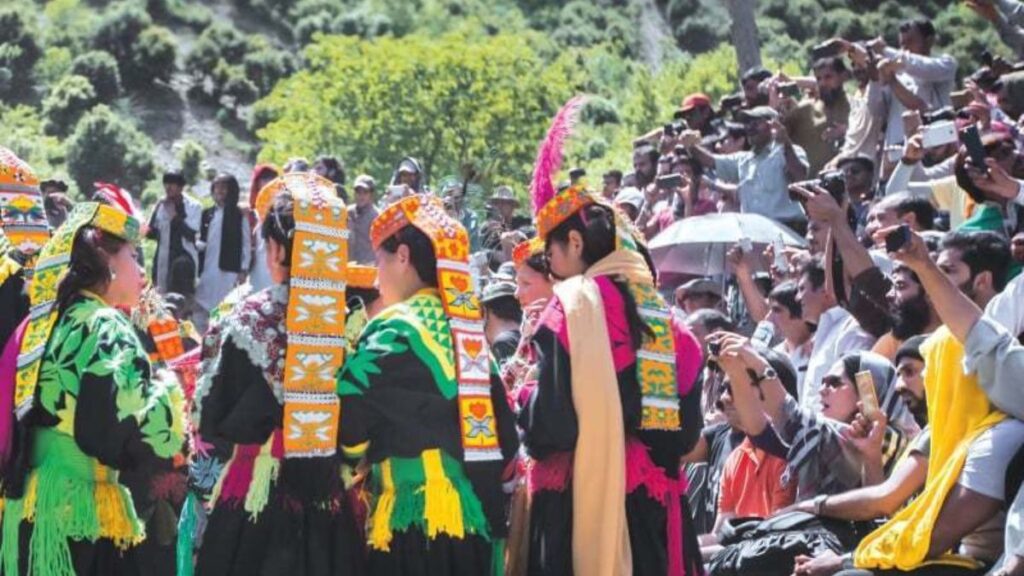
Another notable custom is the seasonal celebrations tied to agricultural cycles. During these times, families come together to perform specific rites that honor nature’s gifts. They express gratitude through music, dance, and vibrant displays of traditional attire.
Food plays an essential role too; special dishes are prepared using age-old recipes passed down through families. Sharing meals during Wasatha gatherings reinforces community bonds while celebrating their rich heritage.
The Role of Wasatha in Community Bonding and Social Cohesion
Wasatha serves as a vital thread weaving together the fabric of local communities. Its practices foster connections among individuals from diverse backgrounds, reinforcing shared values and mutual respect.
During Wasatha events, communal gatherings create an atmosphere where relationships flourish. People come together to celebrate rituals that honor their heritage, enhancing social ties. This unity is essential for fostering trust and cooperation within neighborhoods.
The sense of belonging cultivated through Wasatha extends beyond just friendships. It encourages collaboration on various community projects, allowing residents to work towards common goals.
Through these interactions, cultural narratives are passed down and cherished by younger generations. The collective participation in Wasatha strengthens not only individual identities but also the community’s resilience against external challenges.
By bringing people together in meaningful ways, Wasatha plays an indispensable role in nurturing social harmony and cohesion across different layers of society.
Modern Adaptations and Changes to Wasatha
Modern adaptations of Wasatha reflect the evolving nature of cultural traditions. As societies change, so do their rituals and practices.
Today, younger generations are reinterpreting Wasatha to fit contemporary lifestyles. They blend traditional elements with modern influences, creating a unique experience that resonates more with today’s youth.
Technology plays a significant role in these changes. Social media platforms allow for broader sharing of wasatha-related events and celebrations. This has fostered greater interest among those who might not have been exposed otherwise.
Additionally, community gatherings now incorporate music and art styles that were once considered outside the tradition’s scope. These creative expressions help keep Wasatha relevant while honoring its roots.
By embracing innovation, communities ensure that Wasatha continues to thrive in an ever-changing world. The essence remains intact but adapts beautifully to new contexts and audiences.
Preserving the Legacy of Wasatha through Education and Awareness
Preserving the legacy of Wasatha is crucial for future generations. Education plays a significant role in keeping cultural traditions alive. Schools and community centers can implement programs that emphasize the importance of Wasatha.
Workshops can be organized, where elders share their stories and experiences related to Wasatha. This direct transmission of knowledge fosters a deeper connection with the tradition.
Social media also serves as an effective platform to raise awareness about Wasatha. Engaging content like videos, articles, and podcasts can reach wider audiences while sparking interest among youth.
Collaborations between local organizations and cultural institutions further strengthen these efforts. By creating events centered around Wasatha, communities not only celebrate their heritage but also invite others to participate in learning about it.
Encouraging discussions around this rich tradition ensures its relevance today and tomorrow. Awareness leads to appreciation, which ultimately helps preserve what makes Wasatha so special.
Conclusion: The Importance of Embracing Cultural Tradition
Embracing cultural traditions like Wasatha is essential for fostering community spirit and understanding our collective identity. This rich tradition connects generations, providing a sense of belonging that transcends time.
As societies evolve, the essence of Wasatha remains relevant. It serves as a reminder of where we come from while guiding us toward a more unified future. By engaging with this cultural practice, individuals can strengthen their ties to one another and appreciate their shared heritage.
Preserving traditions such as Wasatha encourages respect for diversity and promotes social harmony in an increasingly globalized world. It’s through these rituals and practices that communities find resilience amid change.
Encouraging education around Wasatha not only helps safeguard its legacy but also empowers younger generations to appreciate the beauty within their own cultures. The importance of honoring our roots cannot be overstated; it enriches lives by offering lessons from the past while inspiring hope for tomorrow’s journey together.