
Introduction
If you’re passionate about homemade pasta, you’ve likely come across the term tortellinatrice. This specialized machine is designed to automate the process of making tortellini—one of Italy’s most beloved filled pastas. Whether you’re a home cook aiming for consistency or a restaurant owner looking to scale production, a tortellinatrice can completely transform your workflow.
In this guide, you’ll learn what a tortellinatrice is, how it works, how to choose the right one, and how to use it effectively. Along the way, we’ll also explore practical tips, common mistakes, and expert strategies to get the best results.
What Is a Tortellinatrice?
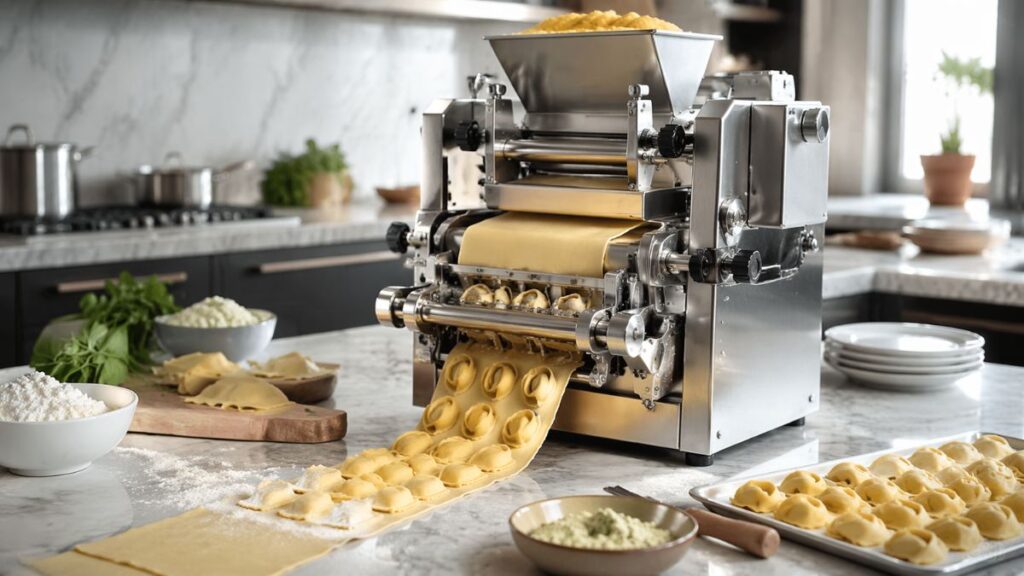
A tortellinatrice is a pasta-making machine specifically designed to produce tortellini automatically. It combines dough rolling, filling, folding, and shaping into a streamlined process.
Key Functions
- Rolls pasta dough into thin sheets
- Adds filling evenly
- Folds and seals tortellini shapes
- Cuts pasta into uniform pieces
Why It Matters
Traditionally, making tortellini by hand is time-consuming and requires skill. A tortellinatrice simplifies the process while maintaining quality and consistency.
Types of Tortellinatrice Machines
Choosing the right machine depends on your needs. There are several types available, each suited for different levels of production.
Manual vs Automatic Machines
| Feature | Manual Tortellinatrice | Automatic Tortellinatrice |
|---|---|---|
| Production Capacity | Low | High |
| Skill Required | Moderate | Low |
| Speed | Slow | Fast |
| Cost | Affordable | Expensive |
| Best For | Home cooks | Restaurants & businesses |
Commercial vs Home Use
- Home models: Compact, easy to use, lower output
- Commercial models: Industrial-grade, high-speed, durable
How a Tortellinatrice Works
Understanding the process helps you use the machine more efficiently.
Step-by-Step Process
- Dough Preparation
The dough is rolled into thin sheets. - Filling Injection
The machine deposits filling at regular intervals. - Folding Mechanism
Dough is folded over the filling. - Shaping and Cutting
Tortellini are formed and cut into uniform pieces.
Key Components
| Component | Function |
|---|---|
| Dough Roller | Flattens pasta dough |
| Filling Hopper | Holds and dispenses filling |
| Molding Unit | Shapes tortellini |
| Cutter | Separates individual pieces |
Benefits of Using a Tortellinatrice
Using a tortellinatrice offers several advantages, especially for efficiency and consistency.
Major Benefits
- Time-saving: Produces large batches quickly
- Consistency: Uniform size and shape
- Efficiency: Reduces manual labor
- Scalability: Ideal for growing businesses
Practical Example
Imagine preparing tortellini for a busy restaurant. Instead of spending hours shaping each piece manually, a tortellinatrice can produce hundreds in minutes—without compromising quality.
Best API Search Company’s Homepage: How to Build, Optimize, and Rank It
How to Choose the Right Tortellinatrice
Selecting the right machine can feel overwhelming. Here’s a simple framework to guide your decision.
Key Buying Factors
| Factor | What to Consider | Best Choice For |
|---|---|---|
| Production Volume | Daily output needs | Business vs home use |
| Machine Size | Available kitchen space | Compact vs industrial |
| Material | Stainless steel preferred | Durability |
| Ease of Cleaning | Removable parts | Hygiene & maintenance |
| Budget | Initial investment | Long-term ROI |
Tips for Buyers
- Start small if you’re a beginner
- Invest in quality for long-term use
- Check warranty and support
Best Practices for Using a Tortellinatrice
Getting the best results requires more than just turning the machine on.
Dough Preparation Tips
- Use the right flour (00 flour works best)
- Maintain proper hydration
- Avoid overly sticky dough
Filling Guidelines
- Keep filling smooth and consistent
- Avoid large chunks
- Don’t overfill
Machine Operation Tips
- Adjust thickness settings carefully
- Clean regularly to prevent clogging
- Test small batches before full production
Common Mistakes to Avoid
Even experienced users can run into issues. Here are the most common mistakes—and how to avoid them.
Frequent Errors
- Using the wrong dough texture
- Overfilling tortellini
- Skipping cleaning routines
- Ignoring machine calibration
Quick Fixes
- Adjust dough moisture levels
- Reduce filling quantity
- Clean after every use
- Follow manufacturer guidelines
Pros and Cons of a Tortellinatrice
Pros
- Speeds up production
- Ensures uniform results
- Reduces manual effort
- Ideal for scaling operations
Cons
- High initial cost
- Requires maintenance
- Learning curve for beginners
- May not replicate handmade feel perfectly
When Should You Invest in a Tortellinatrice?
A tortellinatrice is a worthwhile investment if:
- You run a restaurant or catering business
- You produce pasta in large quantities
- You want consistent results every time
However, for occasional home use, a manual approach might still be sufficient.
Conclusion
A tortellinatrice is more than just a kitchen tool—it’s a game changer for anyone serious about pasta making. From improving efficiency to ensuring consistent quality, it offers clear advantages for both home cooks and professionals.
By choosing the right machine, following best practices, and avoiding common mistakes, you can elevate your pasta-making process and produce perfect tortellini every time.
FAQs
1. What does a tortellinatrice do?
A tortellinatrice automates the process of making tortellini, including filling, shaping, and cutting.
2. Is a tortellinatrice suitable for home use?
Yes, smaller models are designed specifically for home kitchens.
3. How much does a tortellinatrice cost?
Prices range from a few hundred dollars for basic models to several thousand for commercial machines.
4. Can I use different fillings in a tortellinatrice?
Yes, as long as the filling has a smooth and consistent texture.
5. How do I maintain a tortellinatrice?
Clean it regularly, check for wear, and follow manufacturer maintenance guidelines.