
Introduction
In today’s fast-paced digital environment, efficiency isn’t optional—it’s essential. That’s where flowxd comes into play. Whether you’re a freelancer, business owner, or part of a growing team, understanding how flowxd works can completely transform how you manage tasks, automate processes, and scale productivity.
Simply put, flowxd represents a smarter approach to workflow optimization. It helps eliminate repetitive tasks, reduces errors, and allows you to focus on what truly matters—growth and creativity. But how exactly does it work, and why is it gaining attention so quickly?
Let’s break it down in a clear, practical way.
What Is FlowXD?
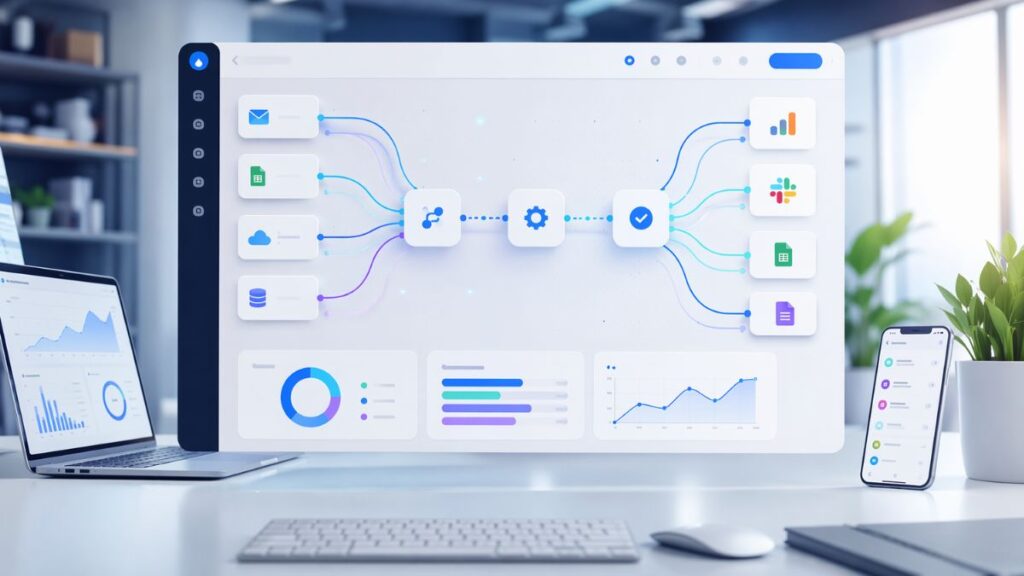
Flowxd is a workflow optimization concept or system designed to streamline processes by connecting tools, automating repetitive actions, and improving efficiency across digital operations.
Key Characteristics of FlowXD
- Automation-driven workflows
- Seamless integration between tools
- Real-time data synchronization
- Task prioritization and optimization
- Reduced manual intervention
Definition
Flowxd is a workflow optimization approach that automates tasks, connects tools, and improves efficiency in digital processes.
Beveu X6: The Complete Guide to Features, Benefits, and Smart Usage
Why FlowXD Matters in Modern Workflows
The digital world is becoming more complex. Businesses rely on multiple tools—CRMs, email platforms, analytics dashboards, and more. Without a unified system, things quickly become chaotic.
Flowxd solves this problem by acting as a bridge between systems.
Benefits of Using FlowXD
- Saves time by automating repetitive tasks
- Reduces human errors
- Improves team collaboration
- Enhances scalability
- Provides better data visibility
How FlowXD Works
Understanding how flowxd operates is key to using it effectively.
Step-by-Step Workflow Process
- Trigger Event – Something happens (e.g., new lead submission)
- Automation Rule – Predefined logic is applied
- Action Execution – Tasks are performed automatically
- Output Delivery – Results are delivered instantly
Workflow Breakdown Table
| Stage | Description | Example |
|---|---|---|
| Trigger | Event that starts the workflow | Form submission |
| Condition | Logic or rule applied | If email is valid |
| Action | Task executed automatically | Send welcome email |
| Result | Final outcome | Lead added to CRM |
Key Features of FlowXD Systems
1. Automation
Automation is the backbone of flowxd. It removes repetitive tasks and allows systems to run independently.
2. Integration
Flowxd connects multiple tools into a single ecosystem, reducing the need to switch between platforms.
3. Customization
Every workflow can be tailored to fit specific needs.
4. Scalability
As your business grows, flowxd adapts without requiring major changes.
FlowXD vs Traditional Workflow Systems
Understanding the difference helps highlight why flowxd is superior.
Comparison Table
| Feature | Traditional Workflow | FlowXD Approach |
|---|---|---|
| Automation | Limited | Advanced |
| Flexibility | Low | High |
| Integration | Manual | Seamless |
| Efficiency | Moderate | High |
| Scalability | Difficult | Easy |
Practical Examples of FlowXD in Action
Example 1: Marketing Automation
- A user signs up on your website
- Flowxd triggers an email sequence
- Lead is added to CRM
- Notification sent to sales team
Example 2: E-commerce Workflow
- Customer places an order
- Inventory updates automatically
- Invoice is generated
- Shipping notification is sent
Example 3: Content Publishing
- Blog post is created
- Automatically shared on social media
- SEO tools analyze performance
- Reports generated instantly
Best Practices for Implementing FlowXD
To get the most out of flowxd, follow these proven strategies.
Best Practices Table
| Practice | Why It Matters | Tip |
|---|---|---|
| Start Small | Avoid overwhelm | Automate one process first |
| Define Clear Goals | Keeps workflows focused | Set measurable outcomes |
| Use Reliable Tools | Ensures stability | Choose trusted platforms |
| Monitor Performance | Improves efficiency over time | Analyze workflow data regularly |
| Optimize Continuously | Keeps system relevant | Update workflows frequently |
Pros and Cons of FlowXD
Pros
- Boosts productivity significantly
- Reduces operational costs
- Improves accuracy
- Enhances workflow visibility
- Saves time
Cons
- Initial setup can take time
- Requires learning curve
- Over-automation may reduce flexibility
- Tool dependency
Common Mistakes to Avoid
Even though flowxd is powerful, many users make avoidable mistakes.
Mistakes
- Automating everything at once
- Ignoring workflow testing
- Using too many tools unnecessarily
- Not updating workflows regularly
- Lack of clear objectives
Advanced Strategies for FlowXD Optimization
Once you understand the basics, you can take things further.
1. Workflow Mapping
Before automation, map out your processes visually.
2. Conditional Logic
Use “if-this-then-that” rules for smarter workflows.
3. Data Synchronization
Ensure all tools share real-time data.
4. Performance Tracking
Measure efficiency improvements continuously.
Future of FlowXD
The future of flowxd looks promising. As businesses rely more on automation and AI-driven processes, workflow optimization will become a core strategy rather than an optional tool.
Expect to see:
- Smarter automation
- AI-powered decision-making
- Deeper integrations
- More intuitive user interfaces
Conclusion
Flowxd isn’t just another productivity trend—it’s a fundamental shift in how modern workflows operate. By automating tasks, connecting tools, and optimizing processes, it allows individuals and businesses to work smarter, not harder.
If you’re looking to improve efficiency, reduce manual work, and scale operations, adopting a flowxd approach is one of the smartest decisions you can make today.
Start small, stay consistent, and continuously optimize. The results will speak for themselves.
FAQs
1. What is flowxd used for?
Flowxd is used to automate workflows, connect tools, and improve efficiency in digital processes.
2. Is flowxd suitable for small businesses?
Yes, it helps small businesses save time, reduce costs, and scale operations efficiently.
3. Do I need coding skills to use flowxd?
No, most flowxd systems are designed to be user-friendly and require little to no coding.
4. Can flowxd integrate with existing tools?
Yes, it is designed to integrate seamlessly with various platforms and applications.
5. How long does it take to implement flowxd?
It depends on complexity, but basic workflows can be set up within a few hours.